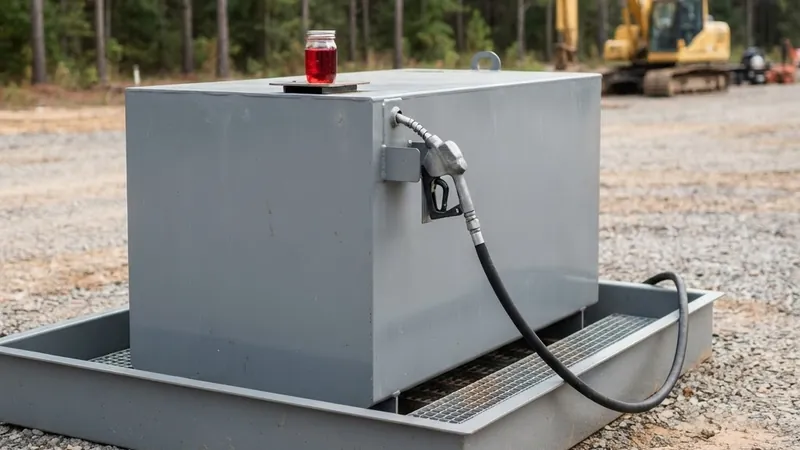
Rules
Off-Road Diesel Rules for Equipment Operators
Coming soon
Answer a few questions about your fleet and get an instant estimate of yearly fuel spend and fuel cost per operating day, plus where you could save on fuel purchasing and efficiency.
Efficiency grade: X · Est. yearly spend: $XXX,XXX
Placeholder values — your real numbers come from your answers.
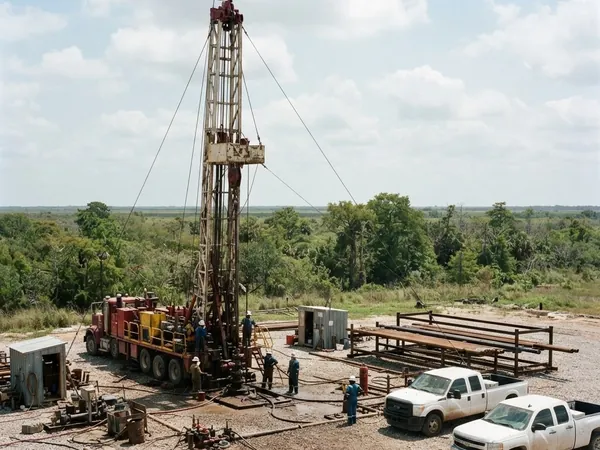
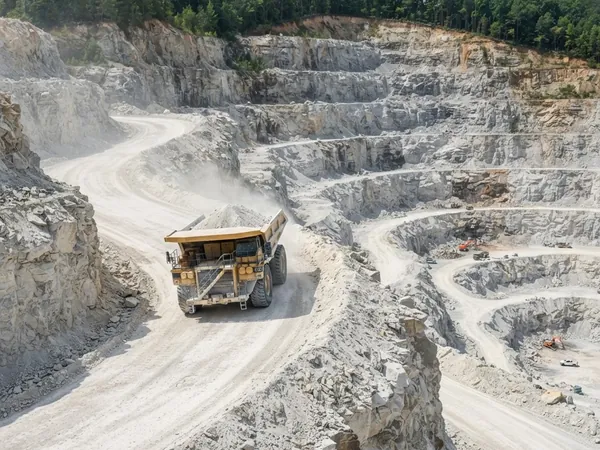
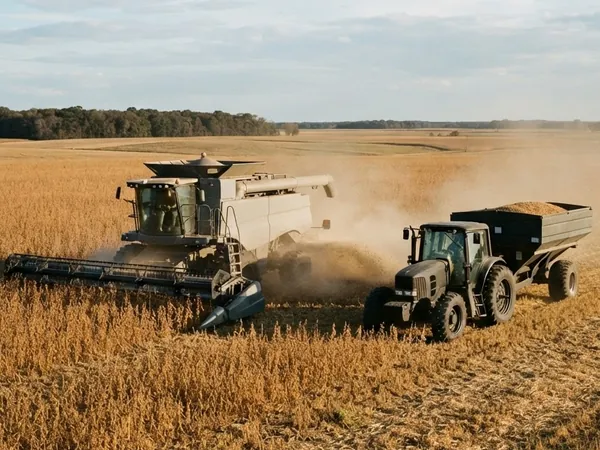
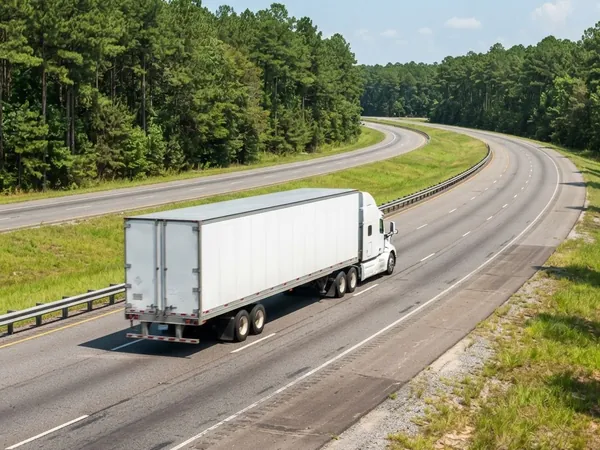
Fuel guides by industry: Road Construction · Civil Construction · Forestry & Logging · Timber & Log Yards · Oil Field · Mining & Quarries · Farming · Trucking
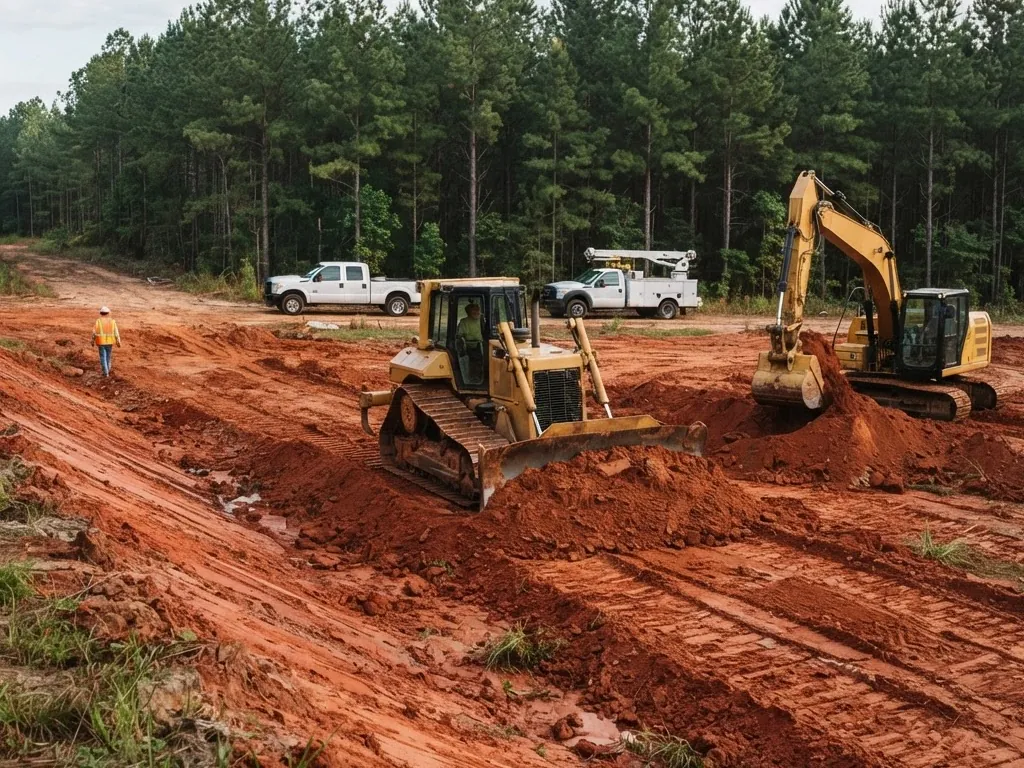
Excavators, dozers, loaders, skidders, generators, haul trucks and pickups. The calculator estimates fuel burn in gallons per hour for off-road iron and miles per gallon for trucks, for road and civil construction, forestry, timber, oil field, mining, farming and trucking fleets.
Whether you buy off-road diesel delivered to the job site, keep bulk diesel in your own tanks or fuel trucks with fuel cards, knowing your real fuel cost is the first step to fleet fuel savings.
Industry, equipment, fuel types and how you buy today.
Yearly fuel spend, cost per operating day or per mile, and an efficiency grade.
If you want one, a fuel specialist prepares a detailed review. No cost or obligation.
Rules
Coming soon
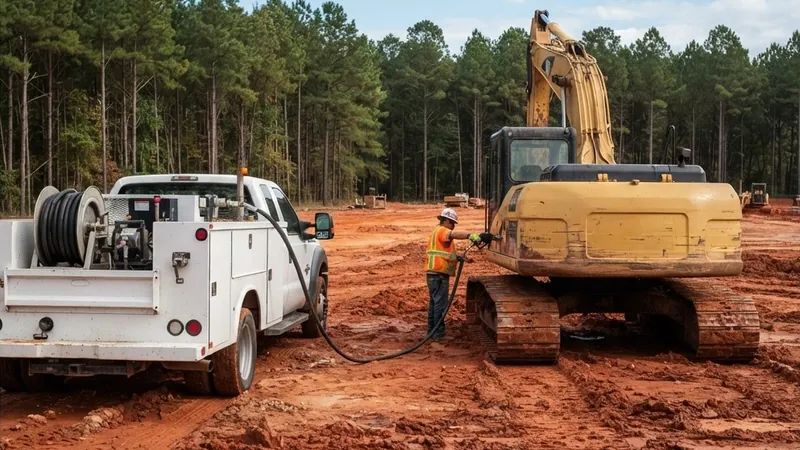
Buying
Coming soon

Efficiency
Coming soon
Straight answers to common questions about buying off-road diesel and job-site fuel. General information only, not tax or legal advice.
Off-road diesel is diesel fuel dyed red to show it is sold without federal highway excise tax (and, in most states, without state road tax). It is meant for off-highway uses such as construction and logging equipment, farm machinery, generators and other stationary engines. Using dyed diesel in a vehicle registered for highway use is illegal and can bring penalties. State rules differ, so check the rules where you operate.
The usual method is gallons per hour multiplied by engine hours. A machine's real burn rate depends on its size, how hard it works (load factor) and how much it idles, so telematics or engine-hour-meter readings matched against fuel logs give the most accurate numbers. For trucks, divide miles driven by miles per gallon.
It is your total fuel spend divided by the number of days your equipment actually works. It's a simple number to plug into bids and job budgets, and to compare from one job or season to the next.
It depends on your fleet. On-site delivery cuts the time operators and pickups spend driving to fuel and can reduce downtime, but it may come with delivery fees or minimums. Compare those costs against the hours and miles your crews spend fueling now.
With a fixed-price contract you lock in a price per gallon for a set volume or period. With index or rack-plus pricing you pay a published wholesale (rack) price plus an agreed margin, so your price moves with the market. Fixed pricing gives budget certainty; index pricing is transparent and moves both up and down with the market.
Many newer diesel machines (often Tier 4 Final) and most late-model diesel trucks use selective catalytic reduction, which needs diesel exhaust fluid (DEF). DEF goes in its own tank, never in the fuel tank. Store it away from heat and direct sunlight and keep it clean.
Common steps include locking fuel caps and tanks, lighting and cameras at yards, remote tank monitoring, and checking fuel deliveries against engine hours and miles every month. Gaps that keep showing up are worth investigating.
Yes, the quiz is free and you see your estimate before we ask for any contact details. FuelCompass is supported by a participating fuel supplier: if you choose to request a full savings review, your answers and contact details are shared with that supplier so a fuel specialist can prepare it.
Two minutes, no login. You'll see your estimate before anyone asks for contact details.
Take the 2-minute quiz →